



Article: How to Layer for Skiing & Snowboarding: The Ultimate Guide to Staying Warm on the Slopes
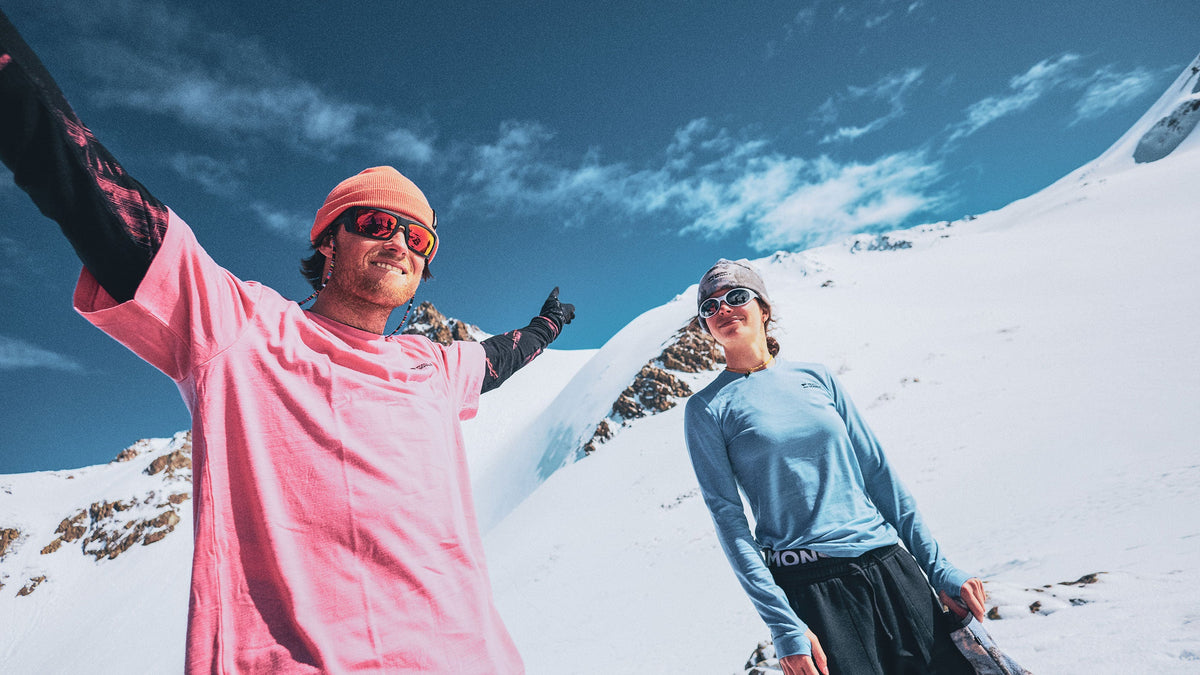
How to Layer for Skiing & Snowboarding: The Ultimate Guide to Staying Warm on the Slopes
Whether you're skiing, snowboarding or simply enjoying everything the mountains have to offer, getting your clothing layers right can make a huge difference to your day.
There's nothing worse than being freezing on the chairlift, overheating halfway down a run or spending the afternoon in damp clothing. The secret to staying comfortable isn't necessarily wearing more clothes – it's wearing the right layers.
A good layering system helps regulate your body temperature, manages moisture and keeps you protected from the elements, whatever the mountain throws at you.
So, how should you layer for a day on the slopes? Here's our guide to getting it right.
1. Start with a good base layer
Your base layer is the foundation of your layering system. Worn directly against your skin, its job is to manage moisture, regulate temperature and keep you comfortable throughout the day.
When you're skiing or snowboarding, you're constantly changing activity levels. You might be working hard on a steep run one minute and sitting on a cold chairlift the next. A good base layer helps manage those temperature changes by moving sweat away from your skin.
What should you look for?
-
Merino wool: Naturally breathable, warm and comfortable. It helps regulate temperature and is naturally odour-resistant, making it a great option for longer days in the mountains.
-
Synthetic fabrics: Lightweight, quick-drying and effective at moving moisture away from your skin. A great choice for more active days.
-
A comfortable fit: Base layers should sit close to your body without restricting movement. If they're too loose, they'll be less effective at managing moisture.
Avoid cotton at all costs! Cotton absorbs moisture, takes a long time to dry and can leave you feeling cold and uncomfortable.
Our Snow Lab picks:
-
Mons Royale Cascade Merino Base Layers – A brilliant option for anyone looking for the natural warmth and breathability of merino wool. Available in tops, leggings and different styles.
-
Mons Royale Ascender Merino Seamless Base Layers – A great technical option for those looking for a close-fitting, comfortable layer.
-
Steiner Soft-Tec Active Thermal Top – A lightweight, stretchy option offering comfortable everyday thermal protection.
Whether you prefer merino or synthetic fabrics, getting your first layer right is the best place to start.
Shop our Thermal Base Layer Collection.
2. Add warmth with a fleece or midlayer
Once you've got your base layer sorted, it's time to think about insulation.
Your midlayer sits between your base layer and outer jacket. Its main job is to trap warm air close to your body while still allowing moisture to escape.
This is where fleeces and technical midlayers come into their own.
The best option will depend on the conditions, how active you are and how warm you naturally run.
Fleece or technical midlayer – what's the difference?
-
Fleece: A classic choice for adding warmth. Available in different thicknesses, fleeces are comfortable, breathable and versatile. They're also great for wearing away from the slopes.
-
Technical midlayers: Often designed with stretch fabrics and breathable construction, these are ideal for active skiers and snowboarders who want warmth without unnecessary bulk.
-
Insulated vests: A useful alternative when you want extra warmth around your core but don't want to restrict movement through your arms.
Some of our favourites at Snow Lab:
-
SOS Aboda Mens Windstopper Knit Jumper – A stylish and practical layering option, combining a knitted design with Windstopper technology for added protection against chilly winds.
-
Picture Men's Bake Grid Full-Zip Fleece – A versatile fleece option with a technical feel, ideal for layering.
-
Columbia Steens Mountain Full-Zip Fleece – A great everyday fleece that works just as well off the mountain.
-
Halti Seiland Mens Mid-Layer Jacket – A practical midlayer option that can be worn comfortably underneath your ski or snowboard jacket.
-
Burton [ak] Helium Stretch Insulated Vest – A great option for adding core warmth without adding too much bulk.
Remember, you don't always need the thickest fleece you can find. The aim is to find a layer that provides enough insulation while allowing you to move freely.
Shop our Fleece & Midlayer Collection.
3. Finish with a good outer layer
Your final layer is your ski or snowboard jacket and trousers.
While your base and midlayers are responsible for managing moisture and retaining warmth, your outer layer protects you from the weather.
A good ski or snowboard jacket should offer:
-
Waterproof protection against snow and rain.
-
Breathability to help release excess heat and moisture.
-
Wind protection to keep cold air out.
-
Enough room to comfortably accommodate your layers underneath.
It's important not to make your layering system too bulky. If your jacket is too tight, it can restrict movement and compress the insulating layers underneath, reducing their effectiveness.
4. How many layers do you actually need?
There's no single answer because it depends on the weather, your activity level and how warm you naturally run.
As a general guide, here's how we'd approach it:
Milder days or spring skiing
-
Lightweight thermal top and leggings.
-
Lightweight fleece or technical midlayer (if needed).
-
Waterproof ski or snowboard jacket and trousers.
Cold winter days
-
Medium-weight thermal base layer.
-
Insulating fleece or technical midlayer.
-
Waterproof and insulated outer jacket.
Really cold days
-
Thermal base layer.
-
Warmer insulating midlayer.
-
Additional lightweight insulating layer if needed.
-
Protective outer jacket and trousers.
The key is flexibility. You should be able to add or remove a layer depending on the conditions.
5. Don't forget your legs!
It's easy to concentrate on keeping your upper body warm, but your legs need attention too.
A good pair of thermal leggings underneath your ski or snowboard trousers will make a noticeable difference, particularly on colder days and long chairlift journeys.
Merino leggings are a great option for warmth and temperature regulation, while synthetic options are ideal if you prefer something lightweight and quick-drying.
One important tip: avoid wearing multiple pairs of thick leggings. Too many layers can restrict movement and make your ski trousers feel uncomfortable.
And don't forget your ski socks! One good pair of properly fitting ski socks is much better than doubling up. Multiple pairs can create pressure points inside your boots and actually make your feet colder.
6. A few layering mistakes to avoid
Even with the right clothing, there are a few common mistakes worth avoiding:
Wearing cotton: Cotton holds onto moisture and can leave you feeling cold. Stick to technical fabrics or merino wool.
Wearing too many layers: More isn't always better. Too much clothing can restrict movement and cause you to overheat.
Ignoring moisture management: If you get sweaty early in the day, you may end up feeling cold later. Choose breathable fabrics and adjust your layers when needed.
Forgetting about the chairlift: You might feel warm while skiing or snowboarding, but temperatures can feel very different when you're sitting still on an exposed chairlift.
Not adjusting your layers: Don't be afraid to unzip your jacket, remove a midlayer or add an extra layer when conditions change.
Ready to get your layering sorted?
Getting your layers right can genuinely transform your time on the mountain. Whether you're heading out for your first ski holiday or you're a regular seasonaire, investing in good base layers and versatile midlayers is always worthwhile.
At Snow Lab, we've got a great selection of thermal base layers, fleeces and technical midlayers from some of our favourite brands, including Mons Royale, Burton, Columbia, Picture, Rossignol and Halti.
Take a look at our collections and get yourself ready for the season ahead.
Shop Snow Lab:
Stay warm, stay comfortable and make the most of every day on the mountain!
The Snow Lab Team


Leave a comment
This site is protected by hCaptcha and the hCaptcha Privacy Policy and Terms of Service apply.